giovanni gabassi
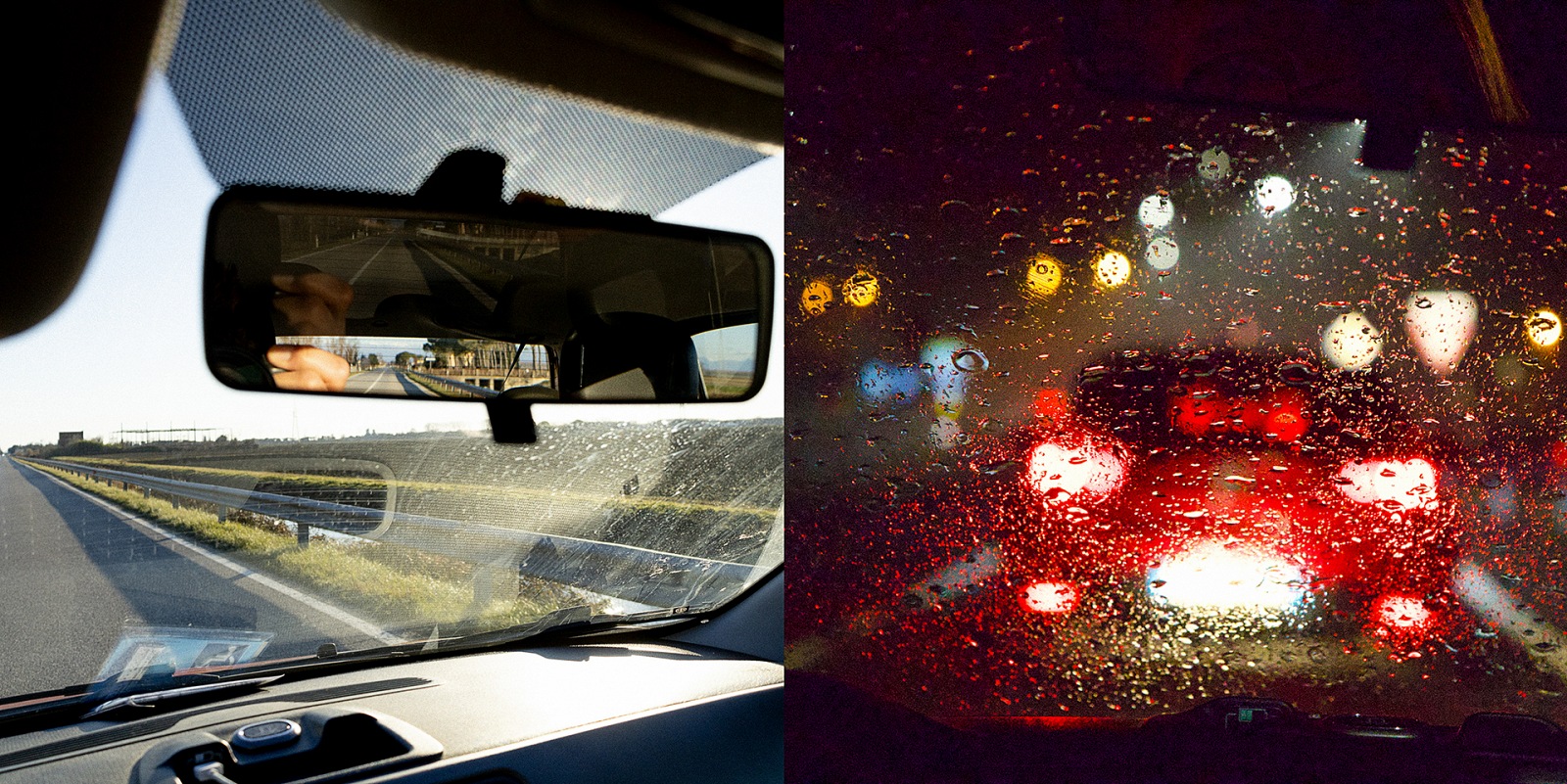
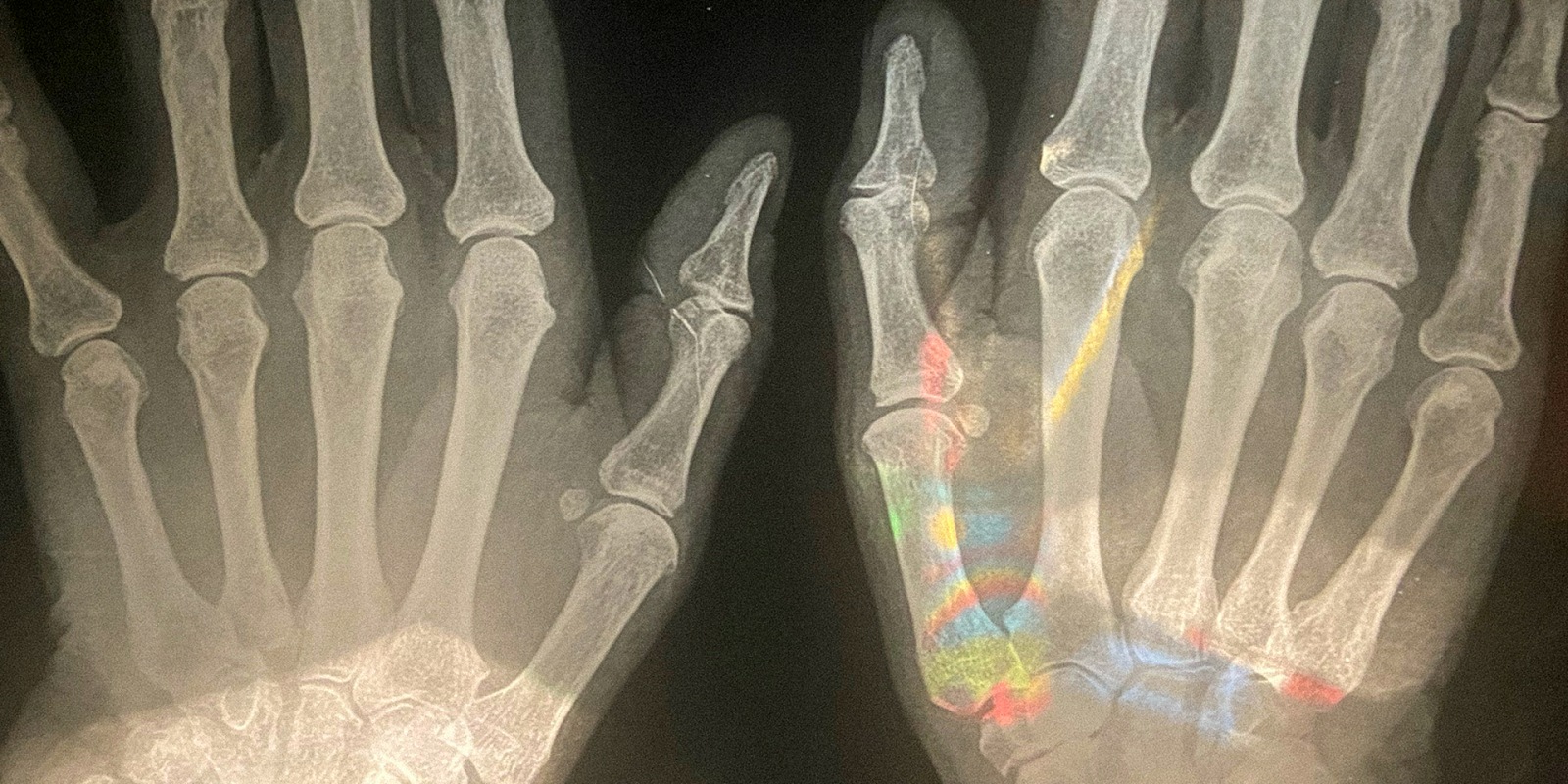
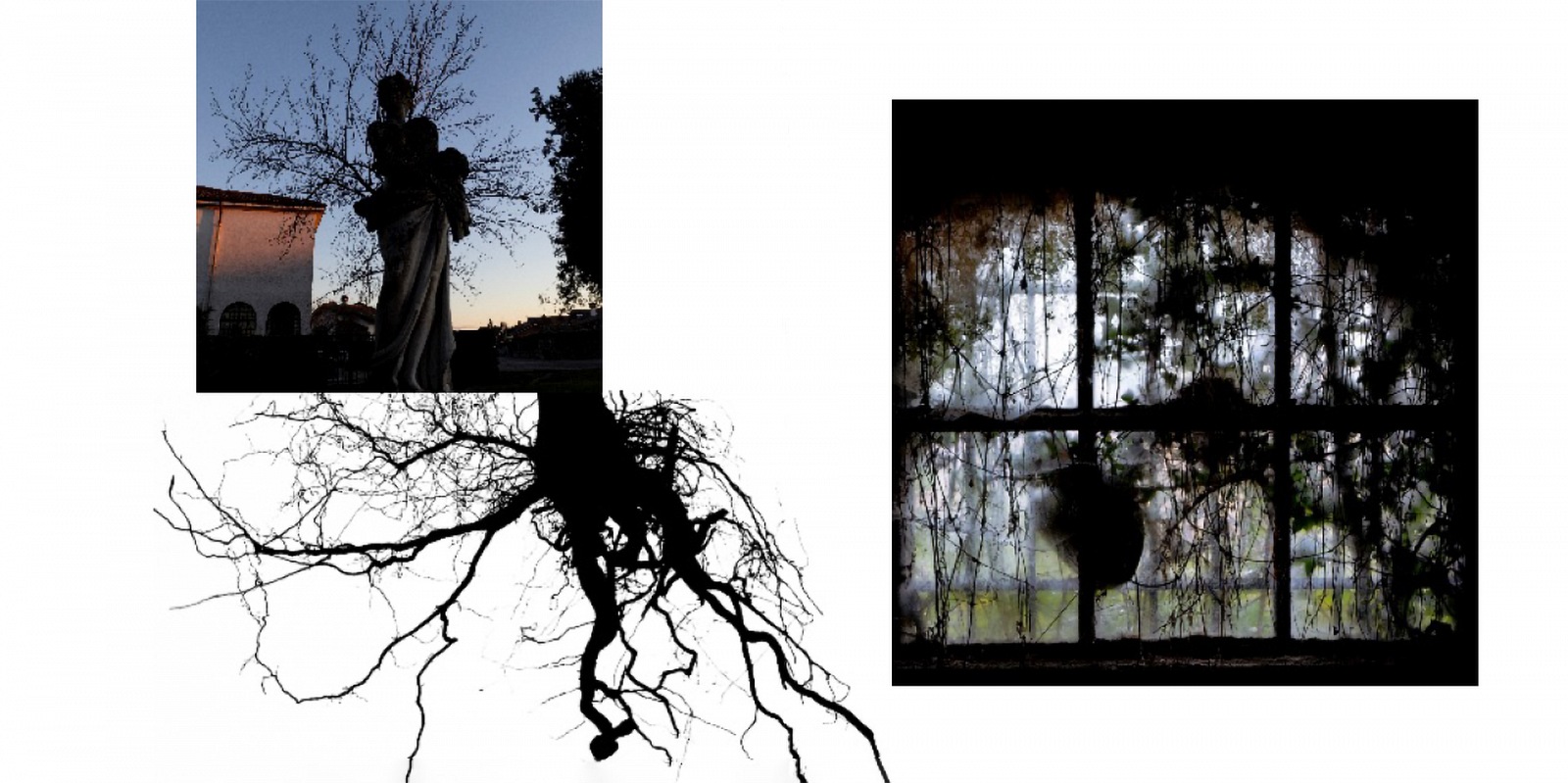
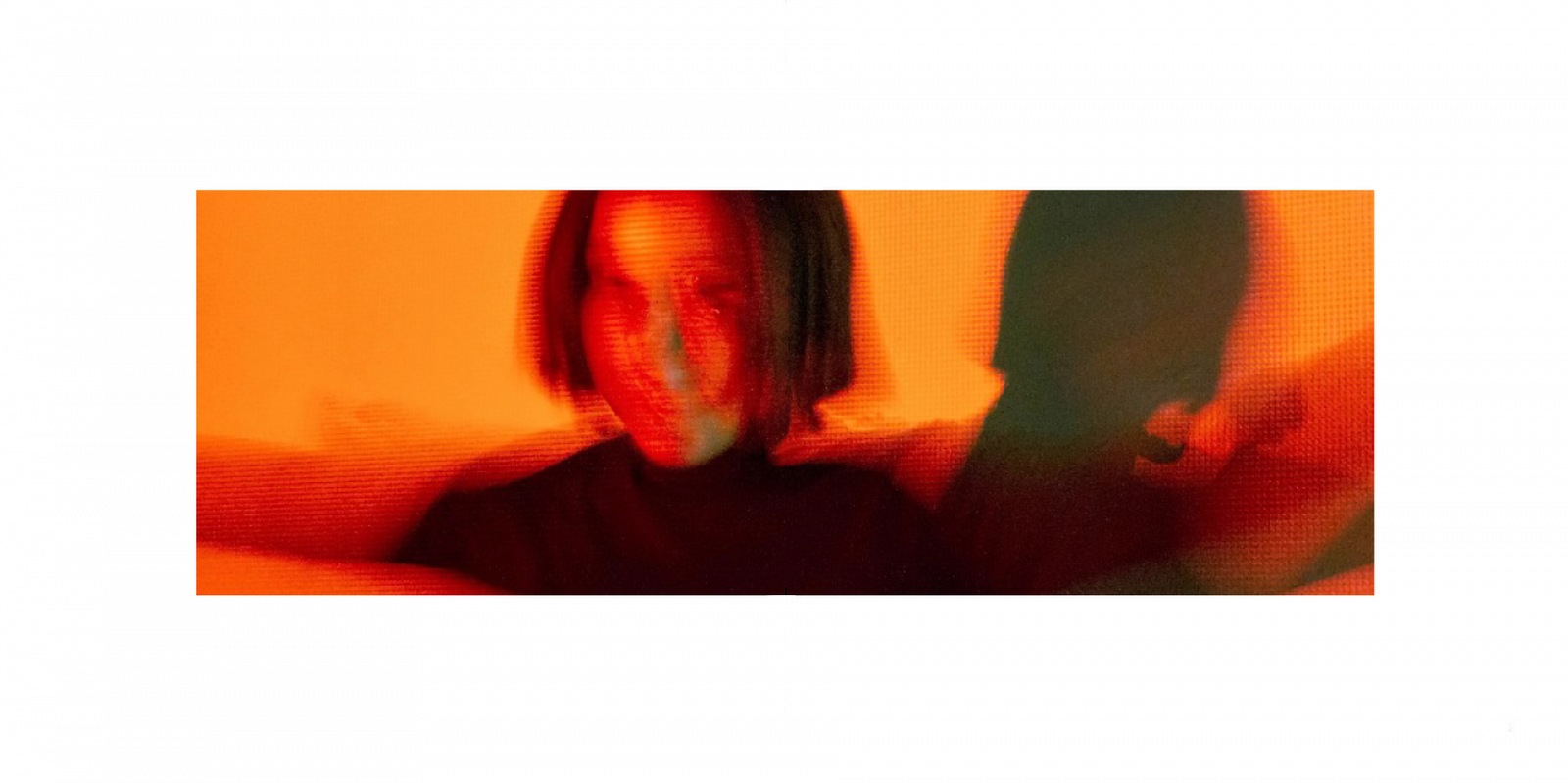
drop upon fall of drop
«I am a ghost wanting what every ghost wants - a body - after the Long Time moving through odorless alleys of space where no life is, only the colorless no smell of death…»
William Burroughs
Against the backdrop of Naked Lunch, there emerges a paranoid vision of existence and society—a vision, moreover, far more lucid than the copious administration of chemistry might suggest. During the Boston obscenity trial following its publication, Norman Mailer characterised the work as a definitive depiction of hell. Addressing the court, he asserted: ‘In Naked Lunch, there is a sense of destruction more intense than any I have encountered in any other modern novel.’ In truth, Burroughs’s inferno is less remote than it might initially appear to those in the contemporary era who seek to cast a profound and conscious gaze upon themselves and the world they inhabit.
When one feels the urgent necessity to reconcile one’s innate nature with the manipulative superstructures of control—imposed by the habitual frequentation of social models into which we are immersed regardless of our will—a sense of profound confusion inevitably arises. Sensations and thoughts transmute into a discontinuous, chaotic... and uncanny vortex.
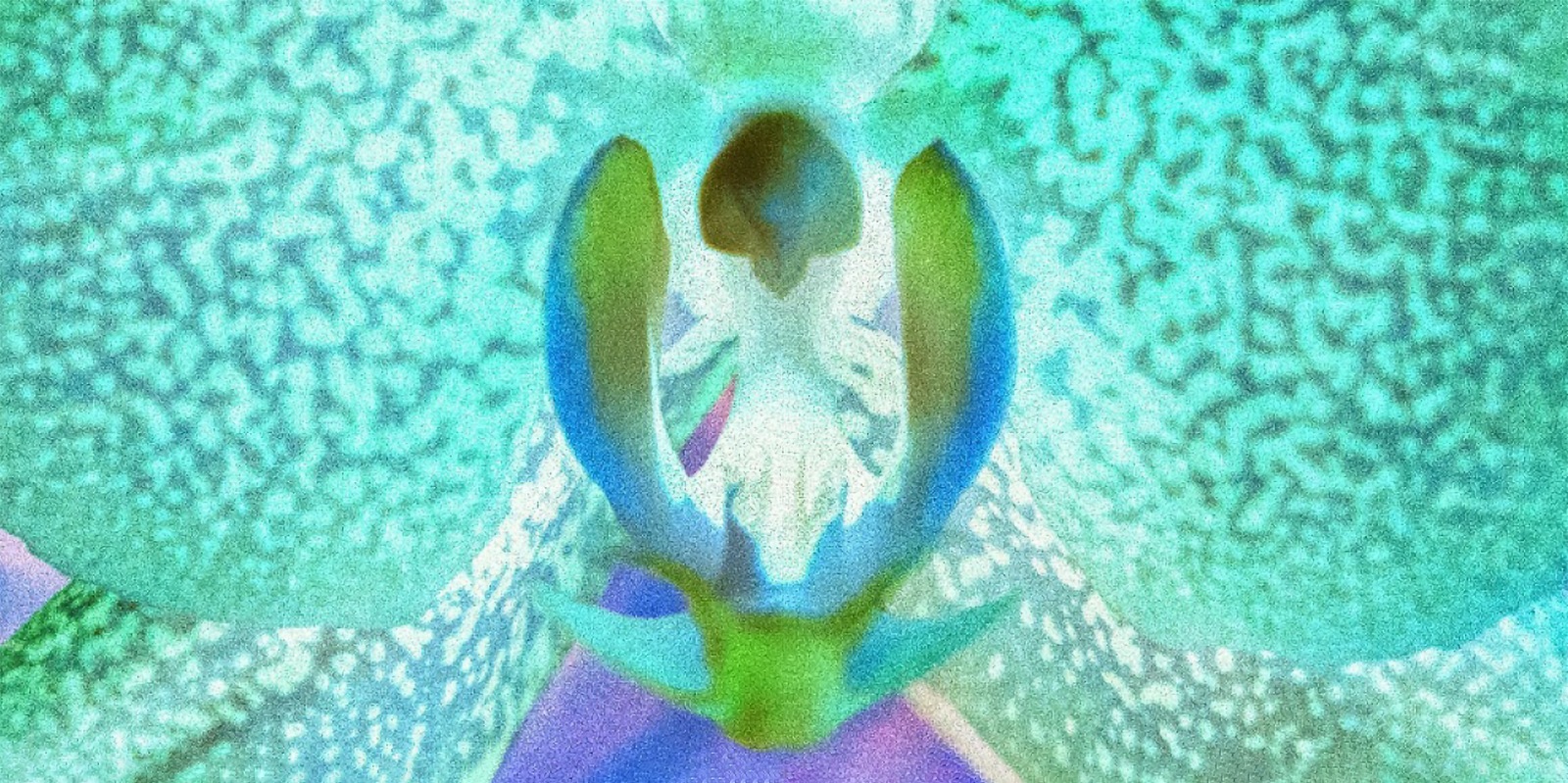
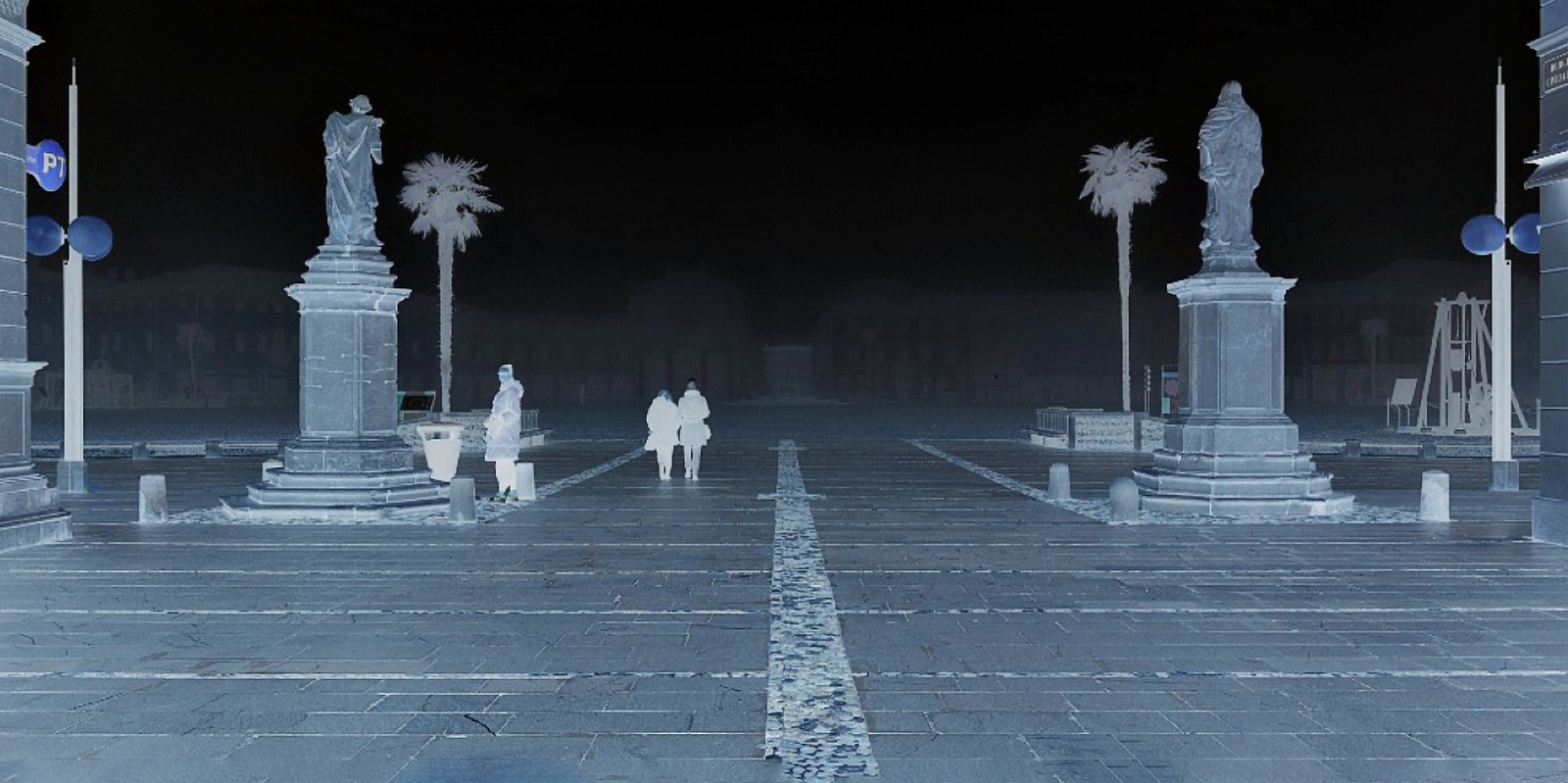
The concept of the Unheimlich (the uncanny) becomes fundamental when examining contemporary works in which, to borrow Schelling’s phrasing, that which ought to have remained secret and concealed is brought to light. Repressions—whether conscious or serenely oblivious—may resurface within images, offering themselves to the spectator (and often to the author themselves) as a tumult of sensations, words, or, in this instance, images that defy reading within conventional interpretive frameworks. Indeed, the implicit schizophrenia dismantles conventional syntax, restructuring it according to rules that at times elude even their creator, as if manifesting a new iteration of Surrealist thought.
In this rupture with linear narrative, images explode like sudden flashes; they contradict and fortify one another, shedding their established connotations. Abruptly, they behave as words employed to articulate meanings disparate from those for which they were originally devised. The surfacing of these repressions reveals the quintessential traits of the Unheimlich, transmuting the familiar into estrangement, frequently engendering distressing phobias. Perhaps the most disquieting aspect of this realisation is the awareness that one lacks total sovereignty over what emerges from one's own work—as if having ignored its presence until that moment could have guaranteed a serene impunity against the assaults of life. In reality, it is precisely through painful acceptance, by means of a tangible externalisation, that one may secure drop upon fallof drop self-possession and the reclamation of a life that is not merely the colourless non-smell of non-death.
[
Sandro Iovine ]
--------------------------------------------

 home
cover ▼
opinions
news ▼
portfolio
post.it
post.cast
video
ongoing
thematicpaths
googlecards
FPtag
home
cover ▼
opinions
news ▼
portfolio
post.it
post.cast
video
ongoing
thematicpaths
googlecards
FPtag






 Giovanni Gabassi - Born in 1970 in Palmanova (GO). A graduate of the Giovanni Sello Art Institute in Udine, he subsequently completed his degree at the Academy of Fine Arts in Bologna. His practice is defined by a penchant for juxtaposing photography with traditional pictorial interventions, a methodology he continues to refine through dedicated and specialised advanced training.